Form & Appetite
Reus: Domènech i Montaner’s Interior and the Hour of Vermouth
Casa Navàs on the Plaça del Mercadal was drawn in 1908 by Lluís Domènech i Montaner and ranks among the finest Modernisme interiors outside Barcelona. Gaudí is traditionally said to have been born here in 1852 — though he himself claimed neighbouring Riudoms — but built nothing in the town — the 2007 Gaudí Centre keeps the legacy, not the architecture; the rest of the afternoon belongs to l’hora del vermut.
Mondmodel Intelligence ·
Casa Navàs: An Intact Interior from 1908
Casa Navàs on the Plaça del Mercadal was completed in 1908 to drawings by Lluís Domènech i Montaner — the same architect behind Barcelona's Palau de la Música Catalana. What is unusual is that the interior survived intact: mosaic, stained glass, carved wood and furniture designed for these very rooms, all preserved as a single coherent gesamtkunstwerk in which no single piece can be lifted out without harming the whole. Few Modernisme buildings outside Barcelona let you walk into so undisturbed a time capsule; most have been stripped of their original furnishings, but here they stand exactly where the architect placed them. The upper floor and tower were destroyed by a bomb on 26 March 1938 during the Civil War and stayed unrebuilt for decades on post-war budget grounds. The current ownership rebuilt the frontispiece in 2020 and reconstructed the tower as part of returning the building to Domènech i Montaner's original vision, work carried through during the 2020s. That the house carries both its completion and its wound — 1908 and 1938 — makes the visit more than an architecture round; it is Catalan twentieth-century history read in a single façade.
Casa Navàs is visited only by guided tour and places are few — book the slot online ahead, ideally not the day you arrive.
Gaudí Without a Gaudí Building
Antoni Gaudí was born in 1852 — and exactly where no one is certain. Tradition points to Reus, but Gaudí himself, from 1915, referred to neighbouring Riudoms; the birthplace is genuinely disputed and should always be stated with that caveat. What is certain is that he built nothing in either town — his entire body of work lies in Barcelona and elsewhere, not in the district where he grew up. The Gaudí Centre, opened in 2007 by the square, therefore keeps the legacy and not the architecture: a well-made reading of his method and language, but not a building by his hand. It is an honest distinction worth holding onto, because the marketing readily tempts one to make Reus a Gaudí town. Reus's Modernisme substance is instead the work of Domènech i Montaner — Casa Navàs and the Institut Pere Mata — and it is amply enough on its own merits. Anyone who comes to see a Gaudí in Reus will leave the town the wiser, but without having seen one; anyone who comes for Domènech i Montaner leaves it fulfilled.
To see Domènech i Montaner at full scale, ask about tours of the Institut Pere Mata on the town's edge — pavilion six is a masterwork few tourists reach.
L’hora del vermut: The Afternoon's Own Institution
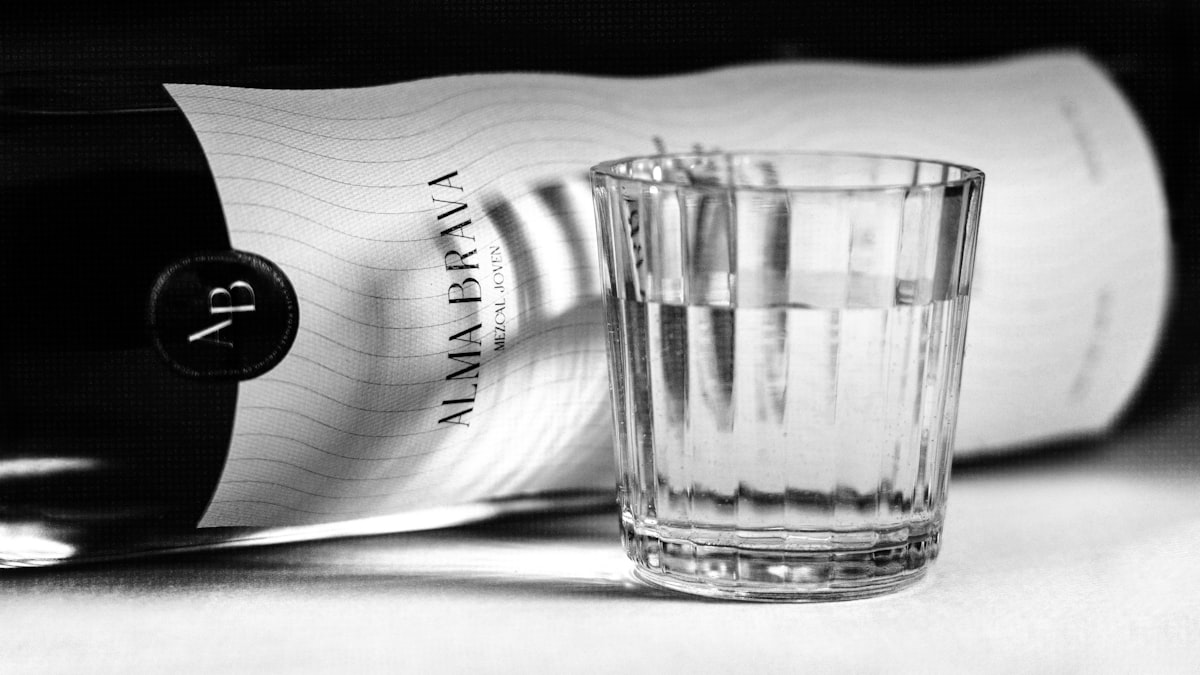
Reus was once one of Europe's great vermouth towns, a trading hub where herb-spiced wine was bottled on an industrial scale and shipped across the continent. The legacy survives in l'hora del vermut — the vermouth hour — the Catalan aperitivo custom of gathering over a glass of barrel-aged vermouth before lunch, ideally with olives, sardines and crisps. It is less a drink than a social clock: when the glasses fill at the square's bars, the morning has formally turned into afternoon, and the town slows into a rhythm that has nothing to do with tourism and everything to do with habit. After Casa Navàs and the Gaudí Centre, this is the town's natural third act — form and myth give way to appetite. It also ties the visit to the coast's larger table story, the one about produce and ritual rather than stars: the vermouth of Reus is the same kind of local custom as the calçotada of Valls, one eaten and drunk where it belongs. Sit at the Plaça del Mercadal, order a vermut de la casa and let the town set the pace.
Ask for the house vermouth on draught rather than bottled — several bars around the square keep their own blends, served cool with a slice of orange and an olive.
An Afternoon in Reus, from Form to Glass
Reus lies twenty minutes inland from Cambrils and works best as a half-day, not a stop in passing. The structure gives itself: Casa Navàs in the morning while the light falls through the stained glass, the Gaudí Centre as a reflection on method and myth, and l'hora del vermut to close at the square. It is a town on a human scale, entirely walkable, without the coastal core's crowds, and it rewards the one who moves slowly. The town also shares its airport with the coast — Reus Airport is the charter gateway here, though Barcelona an hour north is the real intercontinental arrival. Anyone used to the Costa Daurada ending at the shoreline discovers here that the destination's form and appetite — Modernisme and vermouth — sit a short drive inland, with no sea view at all. It is one more confirmation of the same theme: the beach is the decoy, but what leaves a mark lies a little beyond it. Reus ties the destination's two stories together within a single walkable centre, without once referring to the sea. A half-day here teaches more about what the Costa Daurada really is than a week by the pool in Salou.
Reus station sits on the line between Tarragona and the Priorat — pair the town with an afternoon in the vineyards around Gratallops rather than with a beach day.