La Residencia, A Belmond Hotel, Mallorca
Deia, Mallorca · imperial
LA ESENCIA
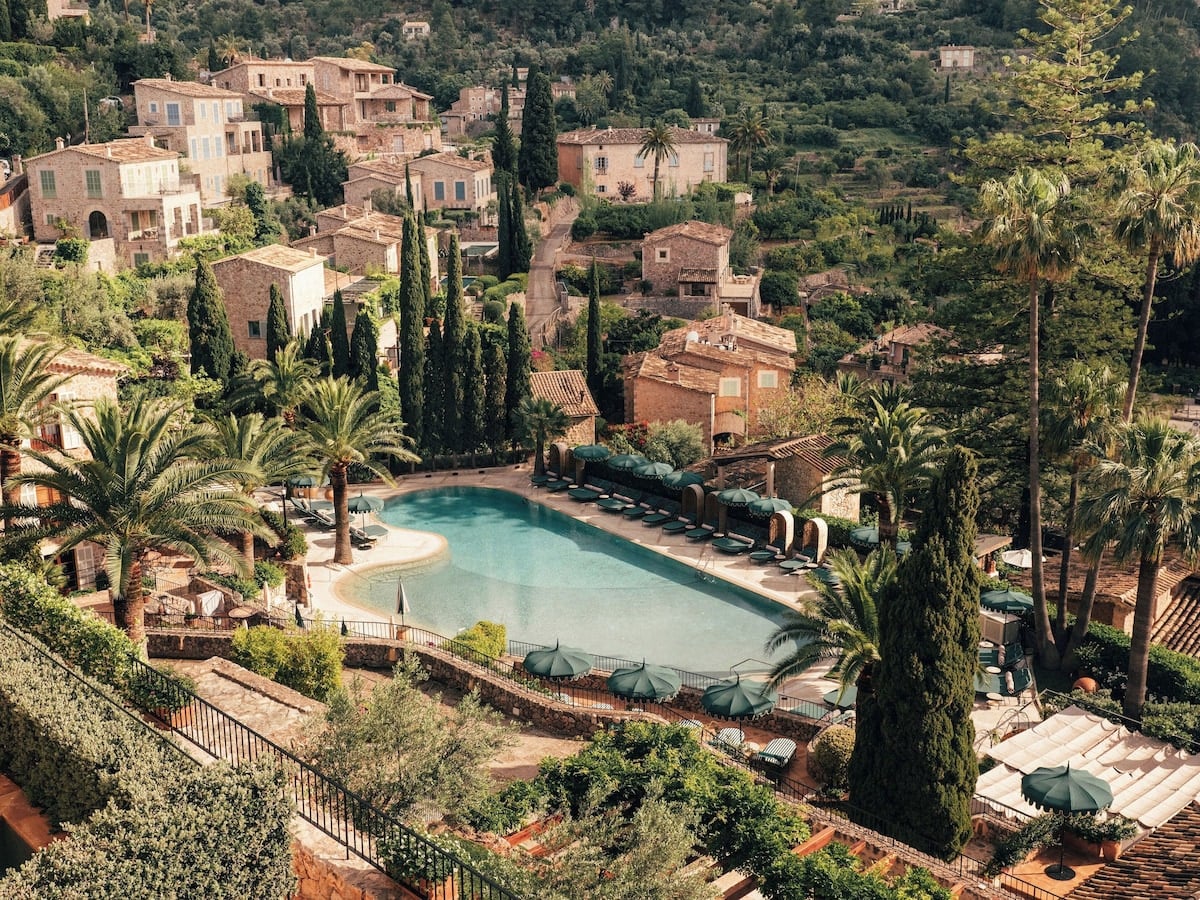
Dos casas señoriales del siglo XVII y XVIII en Deià — Belmond La Residencia es el punto de anclaje de la colonia de artistas, no su telón de fondo.
LA HISTORIA
Axel Ball inauguró La Residencia en 1984 en dos casas señoriales restauradas de los siglos XVII y XVIII — cada habitación amueblada con antigüedades, un enfoque sin precedentes en la isla en aquel momento. En 1987 Richard Branson entró como copropietario. En 2002 Orient-Express Hotels adquirió la propiedad, que en 2014 pasó a llamarse Belmond Ltd y rebautizó el hotel. Hoy la casa de Robert Graves — un museo gestionado por su hijo William, a siete minutos a pie cuesta arriba por el pueblo — forma una extensión natural de la topografía cultural del hotel.
POR QUÉ AHORA
En la temporada 2025 el hotel amplió Sa Vinyeta — una de las colecciones de escultura al aire libre más permanentes de Europa. La cocina de El Olivo bajo el chef Pablo Aranda obtuvo su distinción en la MICHELIN Guide España 2026. Reserve ahora antes de la temporada de verano; el shuttle a Cala Deià está incluido.
LA HABITACIÓN
Elija una habitación Superior o Deluxe en el edificio original de la casa señorial, planta alta — vistas directas a los bancales colgantes y sin el ruido del patio de servicio. La Suite 67, rediseñada por Matthew Williamson, es la alternativa para quien prefiera una lógica visual botánica antes que la antigüedad.
BIENESTAR
Seis salas de tratamiento, tres con terrazas privadas. El tratamiento emblema Citrus Siesta combina una exfoliación con aceite de oliva y un masaje Zen con aceites esenciales — ingredientes procedentes de los olivares del hotel. Piscina cubierta, jacuzzi exterior, baño de agua helada y sauna completan las instalaciones; abierto a diario de 10 a 19 horas.
LA MESA
Menú degustación de 8 platos de cocina mediterránea con influencias árabes — concepto inspirado en el mundo poético de Federico García Lorca — El Olivo. El restaurante de alta cocina del hotel en un molino del siglo XVIII con tafona original — incluido en la MICHELIN Guide España 2026 bajo el chef Pablo Aranda, nacido en Granada con titulación en el Basque Culinary Center. En verano la cena se traslada a la terraza con vistas a los tejados de Deià y la Tramuntana.
EL SERVICIO
El programa Artists in Residencia del hotel invita a artistas y escultores con habitaciones-estudio, alojamiento y ayudas a la producción — los huéspedes pueden participar en clases con el pintor residente Alan Hydes y el escultor Juan Waelder, cuyos pilares de granito a lo largo del Poet's Walk llevan nombres como Robert Graves y Pablo Neruda.
EL BARRIO
Deià es el pueblo de artistas más concentrado de Mallorca — una población de cientos de habitantes, establecida desde los años veinte y protegida por la naturaleza de la Tramuntana, clasificada por la UNESCO. Valldemossa se alcanza en 20 minutos en coche hacia el sur; Port de Sóller en 26 minutos. El aeropuerto de Palma está a 45 minutos.
HONESTAMENTE
Cala Deià se alcanza a pie en 2 kilómetros (30 minutos) o con el shuttle gratuito del hotel — pero Deià carece de playa urbana y el precio refleja el emplazamiento, no la piscina.
EL VEREDICTO
La Residencia es Deià antes que Mallorca — la elección acertada para quien valora la densidad artística y la serena excelencia de servicio de Belmond por encima de la escena de la piscina. El precio se sitúa entre los más altos de la isla, pero la amplitud del programa artístico y la cocina con distinción MICHELIN de El Olivo lo justifican.
LA IMAGEN COMPLETA
You don’t arrive at La Residencia so much as you yield to it. The final, serpentine kilometers of road that climb into the Tramuntana mountains are a necessary compression, shedding the coastal clamor of Mallorca until all that remains is the scent of pine, the chalky dust of limestone, and the startling blue of a sliver of sea caught between two peaks. The hotel doesn’t announce itself with a grand gate but with a subtle shift in the landscape: the wild olive groves become meticulously terraced, the dry-stone walls feel older, more intentional. This is Deià. And this 16th-century manor house, flanked by two others, is the village’s anchor, its conscience, and its most sought-after address.
The check-in is a quiet conversation over a glass of chilled water infused with lemon from the estate. There is no transactional urgency. The crowd here operates on a different frequency: a Berlin-based architect and his partner, finally taking the honeymoon they postponed three years ago; a celebrated novelist from Dublin, pretending to be on holiday while discreetly taking notes in a leather-bound journal; a couple in their late seventies who have been coming for thirty years and now watch their grandchildren chase lizards across the terracotta patios. They are not here to be seen, but to disappear into the 35 acres of citrus trees and ancient olive groves, to feel the accumulated weight of a place where art and literature are baked into the very mortar of the walls.
Your room is a study in monastic calm. The floors are cool stone underfoot, the ceiling timbered with heavy, dark beams. You open the shutters and the 4 p.m. sun floods in, carrying the sound of a lone sheep bell from the slopes above. The air is thick with the fragrance of jasmine and the low, electric hum of cicadas. This is the first test: to resist the urge to do anything. To simply sit on the wrought-iron balcony and watch the light turn the formidable face of the Teix mountain from ochre to rose gold. The real work of a stay here is recalibration.
Before dinner, you take the seven-minute walk up through the village to La Casa de Robert Graves. It’s not a tourist detour; it’s an act of pilgrimage, a necessary piece of context for understanding the village’s soul. You see the writer’s simple desk, his tools, the tangible evidence of a life built on discipline and Mediterranean sun. On the way back, you detour upwards to the Deià Village Cemetery. From this vantage, perched above the cypress trees, the entire valley unfolds. You see La Residencia set below, its tiled roofs a warm counterpoint to the silver-green of the olive canopy. This is the view that has undone poets and painters for a century.
Dinner at El Olivo is the stay’s central ceremony. The restaurant, a converted 16th-century olive mill, is a theatre of candlelight dancing against immense stone walls. While chefs in Palma chase notoriety with elaborate tasting menus of Scottish langoustine or deconstructed sobrassada, the kitchen here practices a kind of devotional classicism. The order is the Slow-cooked Mallorcan lamb tumbet with estate olive oil and seasonal herbs. It arrives not as a composition but as a statement of fact: the lamb, impossibly tender, tastes of the wild thyme it grazed on; the vegetables have the deep, resonant sweetness that only comes from being pulled from the earth hours, not days, before. Each bite is a communion with the surrounding landscape.
There is, of course, a flaw in this perfection. The absolute tranquility of La Residencia is so profound, so hermetically sealed, that it can feel isolating. This is not a base for exploring Mallorca; it is the destination itself. The thirteen-minute walk down a steep, rocky path to Cala Deià is a glorious morning ritual, but the pebbled cove is small, and in July, it heaves with day-trippers. The climb back up is a lung-searing reminder that paradise demands a toll. The village itself, a single characterful street, can be fully absorbed in an afternoon. After three days, the profound quiet can begin to echo if you’re not prepared to meet it with your own inner resources. This is a place for reading, for talking, for swimming in one of the two pools, and for thinking. It is an active retreat, not a passive vacation, and the price of entry—in every sense—selects for a guest who understands the difference.
On the morning of your departure, you take your coffee on the terrace one last time. The air has the clean, cool edge of mountain dawn. You watch the sun crest the ridge, its first rays catching the dew on the orange trees. You are leaving not with a collection of memories, but with a lingering sensory imprint: the scent of lemon leaves crushed between your fingers, the feel of sun-warmed stone, the taste of salt and olive oil. You came seeking an escape and found a standard against which all other hotels will now be measured, and likely found wanting.
DATOS
- Barrio: Deia
- Estrellas: 5
- Desde 700 EUR por noche
- Tripadvisor: 4.7/5 (1212)
- 39.74967, 2.64923
FAQ
¿Cuál es la mejor época para visitar?
En la temporada 2025 el hotel amplió Sa Vinyeta — una de las colecciones de escultura al aire libre más permanentes de Europa. La cocina de El Olivo bajo el chef Pablo Aranda obtuvo su distinción en la MICHELIN Guide España 2026. Reserve ahora antes de la temporada de verano; el shuttle a Cala Deià está incluido.
¿Algo que deba saber antes de reservar?
Cala Deià se alcanza a pie en 2 kilómetros (30 minutos) o con el shuttle gratuito del hotel — pero Deià carece de playa urbana y el precio refleja el emplazamiento, no la piscina.
¿Cómo es el barrio alrededor de La Residencia, A Belmond Hotel, Mallorca?
Deià es el pueblo de artistas más concentrado de Mallorca — una población de cientos de habitantes, establecida desde los años veinte y protegida por la naturaleza de la Tramuntana, clasificada por la UNESCO. Valldemossa se alcanza en 20 minutos en coche hacia el sur; Port de Sóller en 26 minutos. El aeropuerto de Palma está a 45 minutos.
MÁS HOTELES EN Mallorca
- AluaSoul Mallorca Resort — Adults Only — Cala Egos / Cala d'Or
- Barefoot Hotel Mallorca — Portocolom
- Bikini Island & Mountain Hotel Es Trenc — Adults Only — Colonia Sant Jordi
- Bikini Island & Mountain Hotel Port de Sóller — Port de Sóller
- Blau Colònia Sant Jordi Resort & Spa — Colonia Sant Jordi / Ses Salines
- Bordoy Alcúdia Port Suites — Port d'Alcúdia