Hotel Termes Montbrió
Montbrió del Camp, Costa Dorada · curated
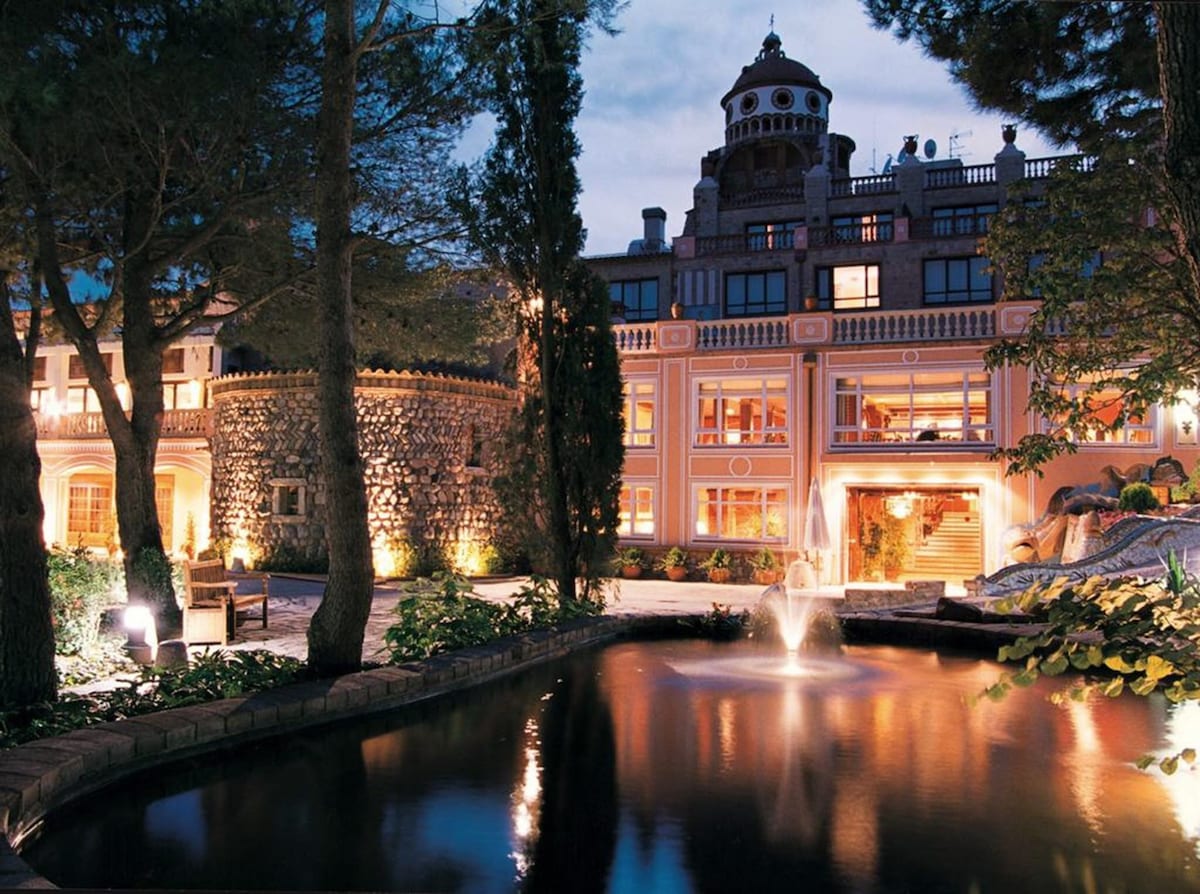
THE VIBE
A thermal bath set in a four-hectare botanical garden at Montbrió del Camp — century-old trees, springs between 41 and 81 degrees, and the steam rising from the stone pools at dawn.
WHY NOW
The hotel sits on the historic Horta Florida estate, rooted in 1643, and runs a thermal centre fed by hot springs. For anyone after the Costa Daurada's most serious water cure — not a pool bar but a true thermal bath — this is the destination's clearest wellness address.
THE ROOM
The rooms facing the botanical garden — waking to the century-old trees and walking straight to the thermal centre is the building's rhythm. The rooms facing the car park and approach side cost less but break the calm that is the whole reason to come.
THE TABLE
KM0 Camp de Tarragona vegetables with romesco — Horta Florida. The house restaurant cooks the season's locally grown produce with a view over the garden — Alamar-priority as it sits in the hotel.
THE NEIGHBORHOOD
Montbrió del Camp is a village on the plain between Reus and the coast; the Cambrils and Salou beaches are a quarter-hour by car, Reus modernisme as near. The garden and the thermal centre, though, keep most guests on the estate.
HONEST CAVEAT
At 180 rooms this is a resort, not an intimate boutique billet — during school holidays and weekends the scale tells in the shared spaces. The thermal centre is a paid supplement, and the cheapest rooms face the approach side, not the garden.
THE FULL PICTURE
You smell it before you see it — sulphur threading through the warm air, mixing with the resinous breath of century-old pines and whatever is blooming in four hectares of botanical garden that the Horta Florida estate has been tending since someone first planted roots here in 1643. The taxi from Reus drops you at an entrance that announces resort before it whispers retreat: this is a 180-room property, and the check-in desk hums with the organized chaos of families unloading hatchbacks and couples clutching thermal-centre brochures. Accept the scale. What follows, if you orient yourself correctly, earns it.
The trick is the room. Ask for one facing the garden. This is not a marginal preference — it is the entire thesis of the stay. Wake at seven to shutters filtering green-gold light through canopy, the drone of early insects, and a view that pulls you barefoot toward the thermal centre before coffee. The rooms on the approach side cost less, and they face a car park. You will hear engines instead of birdsong, tarmac heat instead of damp earth, and you will wonder what you came for. The garden-facing room answers that question every morning without being asked.
By eight, you are in the water. The thermal centre — and this must be said plainly — costs extra, a paid supplement that the rate does not include. It stings, briefly, until the first pool answers with water drawn from hot springs that run between forty-one and eighty-one degrees, and then the arithmetic of the surcharge dissolves somewhere between the second stone basin and the steam curling off a surface so warm it loosens your shoulders before you are fully submerged. This is not a hotel pool with a wellness label bolted on. The springs are real, the temperatures graduated, and the silence at dawn — before the families arrive, before the weekend crowds fill the shared spaces — belongs to an older vocabulary of cure. The people who come back year after year are physiotherapists from Barcelona resting their own overworked hands, retired couples from Tarragona province who treat the waters the way their grandparents did, and a scattering of northern Europeans who discovered the Costa Daurada's interior and decided the beaches at Cambrils and Salou, a quarter-hour's drive away, could wait.
By mid-morning, the botanical garden takes over. Four hectares is enough to lose a conversation in. Paths wind through specimen trees that predate the current buildings by generations, past beds planted with the region's native scrub — rosemary, thyme, the sharp medicinal herbs that perfume your fingertips when you brush them walking past. The estate sits on the plain between Reus and the coast, a landscape of low vineyards and agricultural calm, and the garden amplifies that stillness into something deliberate. You are twenty minutes from the Priorat wine villages — Gratallops, Falset — where the old Garnacha vines cling to slopes of dark slate and the wine tastes like the earth cracked open. The Cartoixa d'Escaladei, the ruined Carthusian monastery that gave the region its name, sits in the same arc of day-trip distance. And then there is Siurana, the clifftop village above its reservoir, which earns its own afternoon. But the garden and the thermal centre keep most guests on the estate, and honestly, the pull of warm water after a morning walk is hard to argue against.
Lunch sharpens the picture. The house restaurant, Horta Florida, overlooks the garden and cooks what grows nearby — the KM0 Camp de Tarragona vegetables with romesco is the dish to order, the peppers and tomatoes arriving from local producers with the kind of sweetness that only short supply chains and ripe seasons deliver. The romesco here is not decoration; it is the culinary argument of the region in a single sauce, ground almonds and dried ñora peppers and the char of a wood flame. Eat it slowly, with a glass of Priorat red, and watch the light move across the canopy outside.
The honest reckoning arrives on a Saturday in July or during school holidays, when the 180 rooms fill to capacity and the thermal centre and the shared lounges lose their meditative quiet. Children run the corridors. Towels pile on loungers. The resort reveals its skeleton, and if you came seeking monastic silence, you will feel the friction. Midweek, off-season, the property exhales. The pools empty. The garden paths are yours. The difference between a Tuesday in October and a Sunday in August is the difference between a water cure and a water park, and you should book accordingly.
PortAventura World sits nearby — close enough that families split their week between rollercoasters and thermal pools, an unlikely pairing that somehow works for the eight-year-old who wants both and the parent who needs the hot springs after. The Reus modernisme trail, Gaudí's early ground, fills a morning for anyone whose curiosity runs to Catalan architecture before Barcelona claimed it entirely.
But the memory you leave with is thermal, not architectural. It is the weight of eighty-one-degree water pressing against your chest at dusk, the stone edge of the pool warm under your palms, steam rising into a sky turning the colour of Priorat garnacha. Your skin carries the mineral smell for hours after, into dinner, into sleep, into the next morning when you open the shutters again and the garden is waiting, unchanged, patient, older than any of your reasons for coming.
FACTS
- Neighbourhood: Montbrió del Camp
- Stars: 4
- From 110 EUR per night
- Tripadvisor: 3.6/5 (1231)
- 41.164, 1.008
FAQ
When is the best time to visit?
The hotel sits on the historic Horta Florida estate, rooted in 1643, and runs a thermal centre fed by hot springs. For anyone after the Costa Daurada's most serious water cure — not a pool bar but a true thermal bath — this is the destination's clearest wellness address.
Anything I should know before booking?
At 180 rooms this is a resort, not an intimate boutique billet — during school holidays and weekends the scale tells in the shared spaces. The thermal centre is a paid supplement, and the cheapest rooms face the approach side, not the garden.
What is the neighbourhood like around Hotel Termes Montbrió?
Montbrió del Camp is a village on the plain between Reus and the coast; the Cambrils and Salou beaches are a quarter-hour by car, Reus modernisme as near. The garden and the thermal centre, though, keep most guests on the estate.
MORE HOTELS IN Costa Dorada
- Gran Claustre — Altafulla
- Gran Hotel Mas d'en Bruno — Torroja del Priorat
- Hotel Cal Llop — Gratallops
- Hotel Monument Mas Passamaner — La Selva del Camp
- Le Méridien Ra Beach Hotel & Spa — El Vendrell
- Mas La Boella — La Canonja